

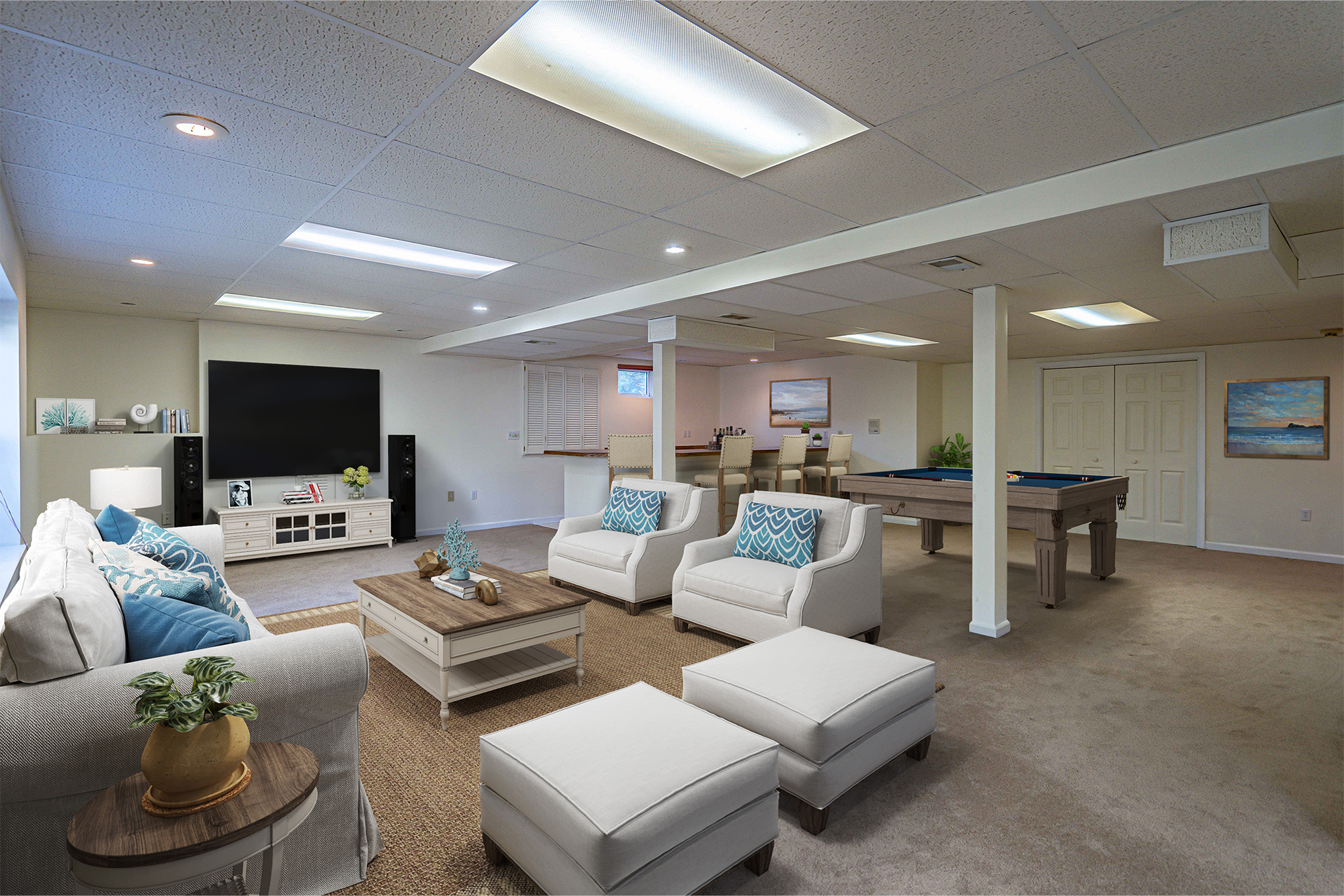
A home theater should feel different from the rest of the house. It is a place where lighting becomes softer, distractions fade away, and the room is designed around the experience of watching a movie, enjoying a game, or gathering with friends. While screens, speakers, seating, and lighting often receive most of the attention, flooring also plays an important role in how the space looks, sounds, and feels.
Carpet can be a strong choice for a dedicated media room because it provides a softer surface underfoot and helps absorb some sound within the space. It can also contribute to the cozy atmosphere many homeowners want in a theater-style room. However, selecting the right carpet involves more than choosing a dark color. Pile construction, furniture placement, cleaning requirements, lighting, and the room's acoustics all deserve consideration.
For homeowners in Lake Point and Draper, Utah, a thoughtfully planned carpet installation can help transform a spare bedroom, basement, or bonus room into a more immersive entertainment space. Factory Flooring Direct offers carpet flooring options worth exploring when planning a home theater that balances comfort, design, and everyday practicality.
Why Carpet Works Well in a Media Room
Hard flooring can reflect sound, allowing voices, footsteps, and other noises to bounce around the room. Carpet absorbs some of that sound energy, helping reduce reflections from the floor. In a home theater, this can contribute to a more controlled acoustic environment, especially when carpet is combined with appropriate wall treatments, curtains, upholstered seating, and other acoustic considerations.
It is important to understand what carpet can and cannot do. It does not automatically soundproof a room or prevent noise from traveling through walls, ceilings, doors, or floors. Sound isolation requires attention to the entire room construction, including gaps, shared structures, and the materials separating the theater from adjoining spaces.
Carpet can also make the room more comfortable for extended viewing sessions. Family members may walk around barefoot, stretch out on the floor, or sit near the front of the room during casual gatherings. A softer surface can make these activities more pleasant than they might be on a hard floor.
Another advantage is the way carpet helps establish the room's atmosphere. A consistent carpeted surface can visually separate the media room from brighter, more active areas of the home. The result can feel intentional without requiring elaborate decorative features.
Choose Carpet With the Room's Acoustics in Mind
Home theater acoustics involve more than reducing echoes. Speaker placement, room dimensions, wall construction, ceiling height, furniture, and reflective surfaces all influence how sound reaches the listener. Carpet is one part of the overall acoustic plan, not a complete solution on its own.
A carpet with a suitable pile and backing can reduce some high-frequency reflections from the floor. This may help the room feel less lively or echo-prone, particularly when it has many hard surfaces. However, low-frequency sound from subwoofers behaves differently and usually requires other design measures if bass response or vibration is a concern.
Think about the entire room before finalizing the flooring. If the walls are bare, the windows have minimal coverings, and the ceiling is hard and reflective, carpet alone may not create the acoustic environment you want. Upholstered seating, curtains, carefully selected wall treatments, and professional acoustic advice may help address the remaining issues.
For a multipurpose media room, the goal may simply be to make movie dialogue clearer and reduce everyday sound reflections. A dedicated theater with powerful speakers may require more extensive acoustic planning. The right level of treatment depends on how the room will be used and the listening experience you want to create.
Understand the Difference Between Carpet Pile Types
Carpet construction influences its appearance, texture, and practical performance. Cut-pile carpet has fibers that are cut at the surface, while loop-pile carpet uses loops of fiber. Some styles combine cut and loop construction to create texture or patterns. Each format can produce a different visual effect and underfoot feel.
A plush cut-pile carpet may create a relaxed, luxurious atmosphere that suits a room designed for movie nights. However, the best choice depends on the product's construction, density, and ability to support the furniture in the room. A carpet that feels exceptionally soft in a small sample may behave differently beneath heavy theater seating.
Loop and textured constructions can offer a more defined appearance, but homeowners should review the product's suitability for their furniture, maintenance routine, and intended use. If the room includes chairs with moving parts or equipment that will be rolled across the floor, consider how the carpet surface will respond.
Ask about the fiber, backing, density, and recommended cushion rather than judging a carpet only by pile height. These characteristics affect the finished feel and how the carpet performs over time. The manufacturer's recommendations should guide the choice of cushion and installation method.
Should You Choose Dark Carpet for a Home Theater?
Dark carpet is often associated with traditional cinema interiors because it can create a dramatic, subdued atmosphere. Deep charcoal, muted brown, navy, and other darker shades may work well in a dedicated media room, particularly when the walls and seating are also designed around a low-light environment.
However, dark carpet is not essential for a good home theater. A medium neutral can still provide a comfortable, visually cohesive space without making the room feel too enclosed. The best choice depends on the room's dimensions, lighting, wall colors, and the atmosphere you want to create.
Dark surfaces may help reduce visible reflections from the floor, but carpet color alone does not control every source of glare. Light can still reflect from walls, ceilings, glossy furniture, screens, and other finishes. If image quality is a priority, consider the room as a complete lighting environment rather than expecting the flooring to solve every reflection issue.
Also think about how the room will be used when the screen is off. A very dark room may feel cinematic during a movie but less inviting when family members use it for conversation, reading, or board games. Layered lighting and carefully selected finishes can make the room flexible without compromising its theater atmosphere.
Bring carpet samples into the room and examine them under both normal lighting and the dimmed conditions used during viewing. A color that looks rich under showroom lights may appear quite different in a basement or room with limited natural light.
Plan for Theater Seating and Heavy Furniture
Home theater seating can be substantial, especially when the room includes recliners, modular sofas, or several rows of seats. The carpet and cushion must be suitable for the weight and arrangement of the furniture. Before selecting a product, explain the planned seating layout to the flooring professional.
Furniture legs and reclining mechanisms can place concentrated pressure on a small area. Over time, this may affect the appearance of the carpet pile. Suitable furniture glides or protective supports may help distribute weight, provided they are compatible with the furniture and carpet system.
Consider the position of the front row, rear seating, side tables, and equipment cabinets before installation. A planned layout can help the installer understand where the most heavily used paths will be and how the carpet should be oriented, if the product has a directional pattern.
Recliners need enough clearance to operate without striking walls, tables, or neighboring seats. If the room includes raised seating platforms, their construction, dimensions, and carpet installation should be coordinated with the overall theater design. Carpet should not conceal unresolved structural or safety issues.
Do Not Overlook Carpet Cushion
The cushion beneath carpet influences comfort and the way the finished system responds to everyday use. The correct cushion depends on the carpet construction, the installation method, the weight of the furniture, and the manufacturer's specifications.
A thicker cushion is not automatically the best choice. Certain carpet constructions need a particular level of support to maintain their appearance and perform as intended. Too much flexibility beneath the carpet may be unsuitable for some products or furniture arrangements.
In a media room, the cushion should be selected for the flooring system rather than treated as an independent upgrade. Ask whether the carpet has specific requirements for cushion thickness, density, and installation. Confirm that the proposed combination is approved for the product and intended application.
If sound control is one of your goals, discuss the entire floor assembly rather than assuming a particular cushion will soundproof the room. Carpet and cushion can influence impact noise and sound absorption, but they cannot replace proper construction when sound isolation between rooms is required.
Think About Wiring and Technology Before Installation
A home theater may include speakers, subwoofers, gaming equipment, projectors, charging stations, and other electronics. Planning the equipment layout before the flooring is installed can reduce the risk of loose cables crossing walkways or requiring changes after the room is complete.
Determine where the main screen, projector, speakers, receiver, and power connections will be located. If wiring needs to pass through walls, ceilings, or other concealed spaces, coordinate that work with the appropriate professionals before the carpet installation begins.
Avoid routing unsecured cords beneath carpet or cushion unless the arrangement is specifically designed and approved for that purpose. Improperly concealed wiring can create safety concerns and make future repairs difficult. Use suitable cable management and follow the equipment and electrical requirements.
Equipment racks and heavy cabinets should also be considered when planning the carpet. Their location may affect furniture placement, access to outlets, ventilation, and the ability to service the equipment later. Leave sufficient access rather than designing the room around appearance alone.
Control Light Without Making the Room Uncomfortable
Lighting is central to the theater experience. Too much light on the screen can distract viewers, while a room with no usable lighting may be inconvenient when people need to move around or find seating. The goal is to balance viewing conditions with safety and everyday comfort.
Consider dimmable lighting, indirect illumination, and fixtures that can be operated without shining directly onto the screen. If the room has windows, suitable window coverings may help manage daylight and improve the viewing environment. Carpet color should be coordinated with these decisions.
During the planning stage, view flooring samples under the lighting conditions the finished room will use. Dark carpet may appear nearly black in low light, while a lighter neutral can reflect more of the room's available illumination. The result depends on the carpet texture, wall color, and the placement and color temperature of the lights.
For a flexible family room, layered lighting can help the space transition from movie viewing to everyday activities. The carpet should support that flexibility instead of forcing the room into a single look or use.
Keep Cleaning and Maintenance Practical
A home theater can collect dust, snack crumbs, and occasional spills, particularly when it is used regularly by family and friends. Carpet selection should account for how often the room will be used and how much maintenance you are prepared to perform.
Ask about the carpet fiber, stain-resistance features, vacuuming recommendations, and approved spot-cleaning methods. The manufacturer's care instructions should guide your routine. Using excessive moisture or an unsuitable cleaning product may damage the carpet or its backing.
Place drinks and snacks on stable tables when possible, and clean spills promptly according to the product instructions. Regular vacuuming helps remove surface dirt before it becomes embedded in the pile. If the room includes pets, consider how fur, tracked-in debris, and accidental spills will affect your maintenance routine.
Heavy theater seating can make some areas difficult to reach. Plan the furniture layout so that routine cleaning is manageable and equipment can be moved safely when deeper cleaning is needed. Furniture protection should be compatible with the carpet and should not create an unstable base.
Consider the Basement Environment
Many home theaters are located in basements, where moisture conditions deserve special attention. A carpet that performs well in a dry upper-level room may not be suitable for a basement with unresolved dampness or a history of water intrusion.
Before installing carpet, check for signs of moisture around foundation walls, plumbing areas, and the floor surface. If the room has experienced water entry or recurring dampness, determine the source and correct it before finishing the space. The concrete slab or other substrate should be evaluated according to the flooring system's requirements.
Do not assume that carpet will hide musty odors or make a damp room comfortable. An unresolved moisture issue can damage the flooring and affect the usability of the room. The correct preparation depends on the building, the condition of the substrate, and the manufacturer's installation instructions.
If moisture is a concern, consult an appropriate professional before selecting the flooring. It may be necessary to address drainage, plumbing, or other building conditions before proceeding with a finished theater space.
Coordinate Carpet With Walls, Seating, and Trim
The flooring should work with the room's other finishes. Carpet can provide a quiet foundation for a bold wall color, patterned acoustic panels, or statement seating. Alternatively, a more expressive carpet can become part of the room's design when the walls and furniture remain relatively understated.
Consider how the carpet will look beside baseboards, door casings, built-in shelving, and any raised seating platform. Coordinated tones can make the room feel unified, while a deliberate contrast can define the edges of a space. Samples should be compared with the actual materials rather than chosen independently.
Transitions are especially important if the theater opens into a hallway or adjoining room with a different flooring type. The height difference, transition profile, and doorway clearance should be planned before installation. A neat transition improves both appearance and everyday movement.
Think about future changes as well. If the room may later become a bedroom, office, or general-purpose family room, a versatile carpet color and texture may make it easier to adapt the space without replacing the floor.
Build the Project Around a Clear Installation Plan
Carpet installation should be coordinated with any electrical work, wall construction, painting, built-in cabinetry, and acoustic improvements. The correct sequence depends on the project, but it is generally easier to complete dusty or disruptive work before installing the finished carpet.
Before installation, confirm the room measurements, furniture plan, carpet quantity, cushion requirements, seam locations, and preparation work. If the existing floor needs to be removed, ask whether the subfloor will be inspected and what repairs may be necessary.
Request a written estimate that explains the included materials and labor. Confirm who will move furniture, dispose of old flooring, install transitions, and protect the carpet if other work remains underway. These details help prevent misunderstandings and reduce the risk of damage after installation.
Once the carpet is installed, follow the manufacturer's instructions for ventilation, cleaning, furniture placement, and any initial care requirements. Allow the flooring to settle and be treated according to the product guidance before returning the room to full use.
Create a Home Theater That Feels Complete
The best home theater is not defined by the largest screen or the most expensive speakers alone. It is a space where sound, lighting, seating, flooring, and room layout work together. Carpet can contribute to that experience by providing a comfortable surface and helping manage some sound reflections, while the rest of the room addresses the remaining acoustic and visual needs.
Choose a carpet construction that suits the furniture and maintenance routine, evaluate color under the room's actual lighting, and make sure the floor is appropriate for the building conditions. Plan technology, transitions, and installation timing before work begins so that the finished room feels deliberate rather than assembled piece by piece.
Factory Flooring Direct serves homeowners in Lake Point and Draper, Utah. If you are creating a dedicated movie room or converting a basement into a comfortable entertainment space, explore the carpet flooring collection and contact Factory Flooring Direct to discuss options for your home theater and find a carpet solution that supports your design goals.


