

Your home is likely the largest investment you'll ever make. You carefully maintain the roof, update the kitchen appliances, and keep the landscaping looking sharp. But there's one element of your home that silently influences its value more than almost anything else — and it's right under your feet. Flooring. It covers virtually every square inch of livable space in your home, and when it's done right, buyers and guests notice immediately. When it's done wrong, they notice even faster.
The tricky thing about flooring mistakes is that many of them don't announce themselves with dramatic failures. Instead, they quietly chip away at your home's perceived value, create maintenance headaches, and accumulate costs that could have been easily avoided. At Factory Flooring Direct in Lake Point, UT, and Draper, UT, we've seen every flooring mistake in the book — and we've helped thousands of homeowners correct course. Here are the most common hidden flooring mistakes that could be undermining your home's value right now, along with practical solutions to fix them.
Mistake #1: Choosing the Wrong Flooring for the Climate
Utah is a unique place to live. We experience blazing hot summers, freezing cold winters, low humidity, and dramatic temperature swings — sometimes all in the same week. These conditions have a direct impact on how flooring materials behave. One of the most common mistakes we see is homeowners choosing flooring that doesn't account for Utah's dry, arid climate.
Certain types of natural hardwood, for example, are notorious for shrinking and cracking in low-humidity environments. Gaps can appear between planks, and the wood may warp or cup over time. While hardwood has its place, many Utah homeowners find that high-quality laminate offers the same stunning wood-look aesthetic with far greater dimensional stability. Modern laminate is engineered to resist the expansion and contraction that natural wood experiences, making it a smarter long-term investment in our climate.
Tile is another excellent climate-proof option. Ceramic and porcelain tiles don't react to humidity changes, won't expand or contract with temperature fluctuations, and maintain their appearance for decades regardless of what Utah's weather throws at them. If you're in the market for flooring that laughs in the face of our wild climate, tile should be at the top of your list.
The fix: Before selecting any flooring, consider how Utah's specific climate conditions will affect the material over the next ten to twenty years. Choose materials that are engineered for stability, and always consult with a local flooring expert who understands our unique environmental challenges.
Mistake #2: Using One Flooring Type Throughout the Entire Home
We understand the appeal of visual continuity. A single flooring material flowing from room to room creates a clean, unified look that can make a home feel larger and more cohesive. However, using the same flooring in every room regardless of that room's function is a mistake that can cost you in both maintenance and value.
Carpet installed in a kitchen or bathroom is an obvious misstep, but we see subtler versions of this mistake regularly. Homeowners who lay beautiful laminate throughout their entire home, including the bathroom and laundry room, often discover moisture damage within a few years. Similarly, those who tile every room — including bedrooms and living areas — sometimes find that potential buyers are turned off by the cold, hard feel underfoot in spaces where warmth and comfort are expected.
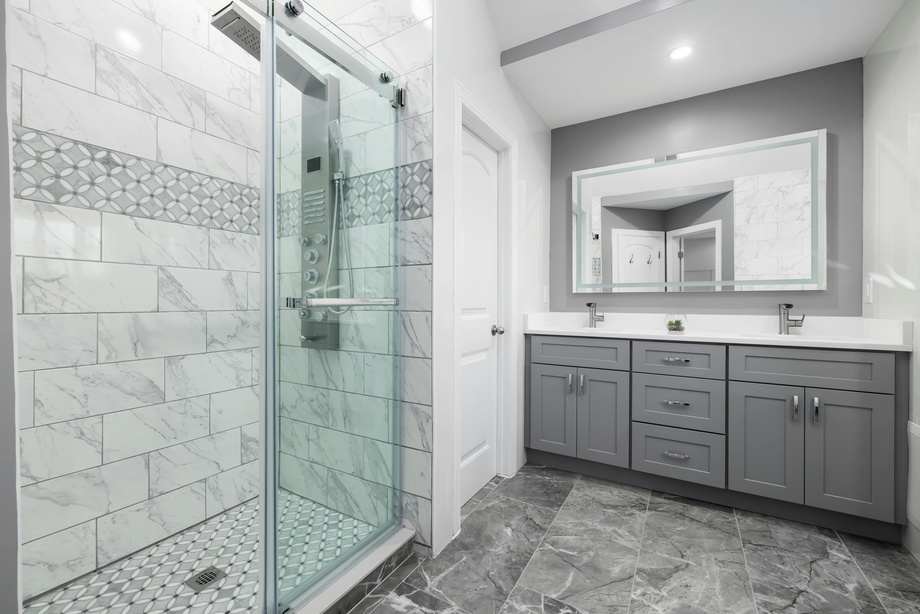
The most valuable homes use a thoughtful combination of flooring types. Tile in the bathrooms, kitchen, and entryway provides durability and water resistance where it's needed most. Carpet in the bedrooms creates the cozy, inviting feel that buyers and homeowners crave. Laminate in the living room, hallways, and dining areas offers a beautiful, durable surface that balances aesthetics with practicality.
The fix: Map out your home room by room and assign the most appropriate flooring type to each space based on its function, traffic level, and moisture exposure. This strategic approach maximizes both your enjoyment and your home's resale value.
Mistake #3: Choosing Price Over Quality
We get it — flooring is a significant investment, and budgets are real. But one of the most expensive mistakes a homeowner can make is choosing the cheapest flooring option available without considering quality. Bargain-basement laminate that looks great in the first month but shows scratches, peeling, and wear by year two doesn't save you money — it doubles your cost when you're forced to replace it prematurely.
This doesn't mean you have to break the bank. At Factory Flooring Direct, we've built our entire business model around providing high-quality flooring at factory-direct prices. Because we've eliminated the middleman, our customers get premium tile, carpet, and laminate at prices significantly lower than traditional retail. The key is finding the right balance between budget and quality, and that's where expert guidance makes all the difference.
Low-quality carpet, for instance, may feel acceptable in the store but mats down and loses its texture quickly in high-traffic areas. Investing in a mid-range carpet with a higher face weight and better fiber quality means it will look and feel great for years longer, ultimately costing less per year of use. The same principle applies to tile and laminate — quality materials with proper installation last dramatically longer and maintain their appearance far better than budget options.
The fix: Think of flooring as a cost-per-year investment rather than a one-time expense. A floor that costs $5 per square foot and lasts fifteen years is far more economical than one that costs $2 per square foot but needs replacement in four years.
Mistake #4: Neglecting Proper Subfloor Preparation
This is the invisible mistake — the one hiding beneath your beautiful new floor that can cause catastrophic problems down the road. No matter how premium your tile, carpet, or laminate is, it's only as good as the surface it's installed on. An uneven, damaged, or improperly prepared subfloor can lead to cracking tiles, squeaking laminate, lumpy carpet, and a host of other issues that are incredibly frustrating and expensive to fix after the fact.
Proper subfloor preparation includes ensuring the surface is level, clean, dry, and structurally sound. For tile installations, even minor imperfections in the subfloor can telegraph through to the surface, causing tiles to crack under pressure. Laminate installed over an uneven subfloor will develop annoying hollow spots and may eventually separate at the seams. Carpet installed on a damaged subfloor may develop visible lumps and uneven wear patterns.
The fix: Never skip subfloor preparation, even if it adds time and cost to your project. This is the foundation of your entire floor, and cutting corners here will always cost more in the long run. Work with experienced professionals who prioritize this critical step.
Mistake #5: Ignoring Transition Zones
Where two different flooring types meet — such as where your tile kitchen meets your carpeted living room — you have a transition zone. These areas are often overlooked during the planning phase, but they have an outsized impact on the final look and functionality of your floors. Poorly executed transitions look amateurish, can create trip hazards, and signal to potential buyers that the home's renovations were done on the cheap.
Quality transition strips and thoughtful planning can make the meeting point of tile and carpet, or laminate and tile, look intentional and elegant rather than awkward. The height differences between different flooring types need to be accounted for, and the transition materials should complement both flooring surfaces.
The fix: Plan your transitions before installation begins, not as an afterthought. Invest in quality transition strips that match your design aesthetic, and ensure proper height alignment between different flooring types.
Mistake #6: Following Trends Instead of Timeless Design
Flooring trends come and go. The shag carpet of the 1970s, the pink bathroom tile of the 1950s, the ultra-glossy laminate of the early 2000s — each was once the height of fashion and now dates a home instantly. While there's nothing wrong with incorporating current design elements, choosing a flooring style solely because it's trendy can leave your home looking outdated in just a few years.
Timeless designs — think neutral-toned porcelain tile, classic wood-look laminate in warm medium tones, and quality carpet in versatile earth tones — remain attractive and appealing through changing trends. These choices protect your investment and appeal to the broadest range of future buyers.
The fix: Use trendy elements in easily changeable aspects of your décor, like throw pillows, paint colors, and accessories. Keep your flooring selections classic and timeless to protect your home's long-term value.
The good news about all of these mistakes is that every single one of them is fixable — and preventable. At Factory Flooring Direct, we're committed to helping homeowners in Lake Point, UT, and Draper, UT, make smart flooring decisions that enhance their homes for years to come. Our expert team will walk you through material selection, help you plan room-by-room layouts, and ensure that your investment is protected from day one. Visit either of our convenient locations to explore our extensive selection of tile, carpet, and laminate, and let us help you avoid the hidden mistakes that so many homeowners make. Your home — and your wallet — will thank you.


